
Nomination Jury
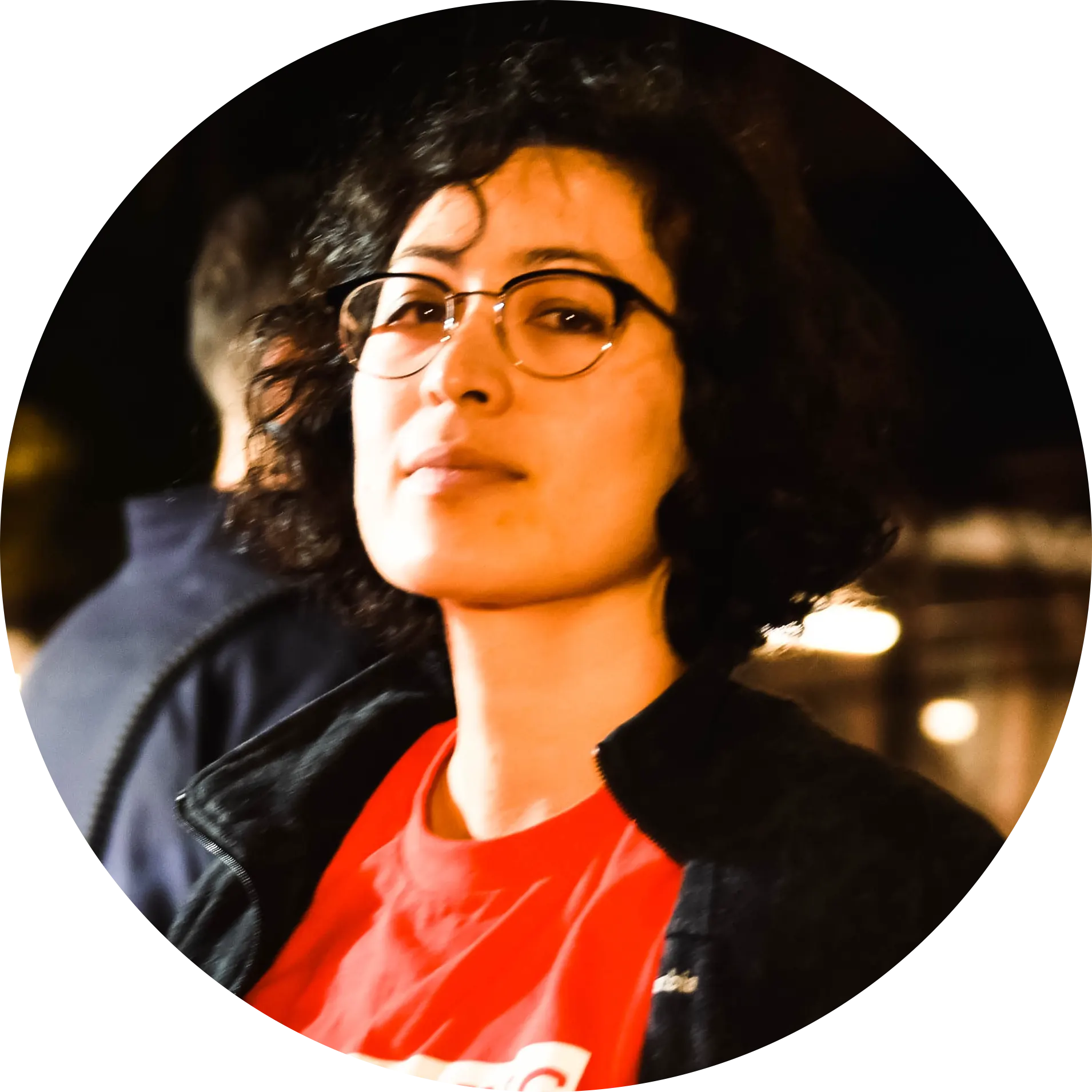
Dr. Rose Abramoff for North America, United States
Dr. Rose Abramoff is an assistant professor of forest science at the University of Maine in the northeastern United States. Her research focuses on how climate change and human land use affect the land carbon cycle, particularly below ground components like plant roots and soil, combining field and laboratory measurements with modelling.
Rose dedicated herself to climate-related research because she wanted to contribute to solving the global problem of our times by ”discovering truths and communicating them to policymakers, who would listen carefully to me and take appropriate action.” When she realized that despite the mounting evidence and warnings from scientists like herself, governments were not acting, she decided to chain herself to the White House fence with other scientists during the Scientist Day of Rebellion in 2022, demanding that President Biden declare a climate emergency. Her inspiration for participating in civil disobedience was climate scientist and former Director of the NASA Goddard Institute for Space Studies, James Hansen, who had chained himself to the very same fence back in 2013 to protest the expansion of a crude oil pipeline.
Since then she has participated in a number of civil disobedience actions; at the American Geophysical Union annual meeting in December 2022, an association of 60,000 earth and space scientists, Rose and her fellow scientist Peter Kalmus unfurled a banner with the message, “Out of the lab & into the streets” just before the speakers joined the stage. Her employer at the time, the Oak Ridge National Laboratory fired her. Rose continues to push scientific institutions to support activism and advocacy of experts. She also helps her fellow scientists acknowledge and address their emotions around the climate crisis in order to turn grief and fear into hope.
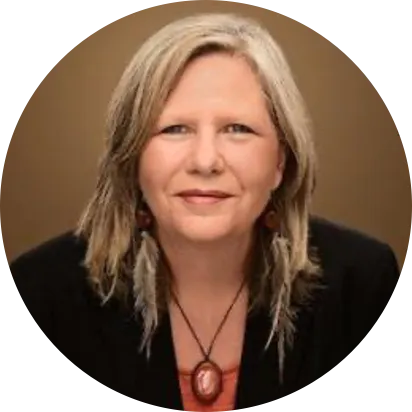
Cathryn Eatock, MA – Founder and Co-Chair, Indigenous Peoples’ Organisation-Australia, Sydney, Australia for Australia / Oceania / Pacific Region
Former Co-Chair and Pacific Member of the Facilitative Working Group (FWG), Local Communities & Indigenous Peoples Platform (LCIPP), United Nations Framework Convention on Climate Change (UNFCCC).
Cathy Eatock is a Gayiri and Badtjala woman, whose people come from central Queensland, Australia. She is the founder of the “Indigenous Peoples’ Organisation-Australia” (IPOA), the peak national Indigenous rights advocacy body in Australia. She brings an extensive history of Indigenous advocacy extending over 35 years, including a central role in the Committee to Defend Black Rights, which successfully campaigned for the Royal Commission into Aboriginal Deaths in Custody. Cathryn Eatock established the Aboriginal Rights Coalition in 2007 and has also focused on Aboriginal women’s rights, as CEO of Mudgin-Gal Aboriginal Women’s Centre in Redfern and as the NSW state representative to the National Aboriginal and Torres Strait Islander Women’s Alliance.
She was Senior Policy Officer in Aboriginal Affairs NSW 2004-2012, where she conveyed Indigenous community concerns on justice, reparations, environmental and cultural concerns, Indigenous languages, health and self-determination, to the NSW Government.
She attended the United Nations Permanent Forum on Indigenous Issues annually from 2011–2023 and has led Australia’s delegations from 2016. She has also presented at the Expert Mechanism on the Rights of Indigenous Peoples annually since 2016, attended Sustainable Development Forums, presented to the Human Rights Council and presented as a panelist at the Commission on the Status of Women. In March 2022, she was elected as the Pacific Representative to the FWG and since her appointment has supported Indigenous delegates to attend COP27, COP28 and supported the hosting of the Pacific Regional Gathering in 2023. More recently Cathy hosted an Indigenous Decision-Making Workshop, in May 2024, to develop 16 community determined climate mitigation, adaptation and capacity building projects.
Eatock has completed a Master of Human Rights and is currently a PhD Candidate at the University of Sydney, where she is examining the United Nations capacity to support the assertion of Indigenous self-determination within nation states.
Source: UN, LCIPP, https://lcipp.unfccc.int/facilitative-working-group-fwg/lcipp-facilitative-working-group
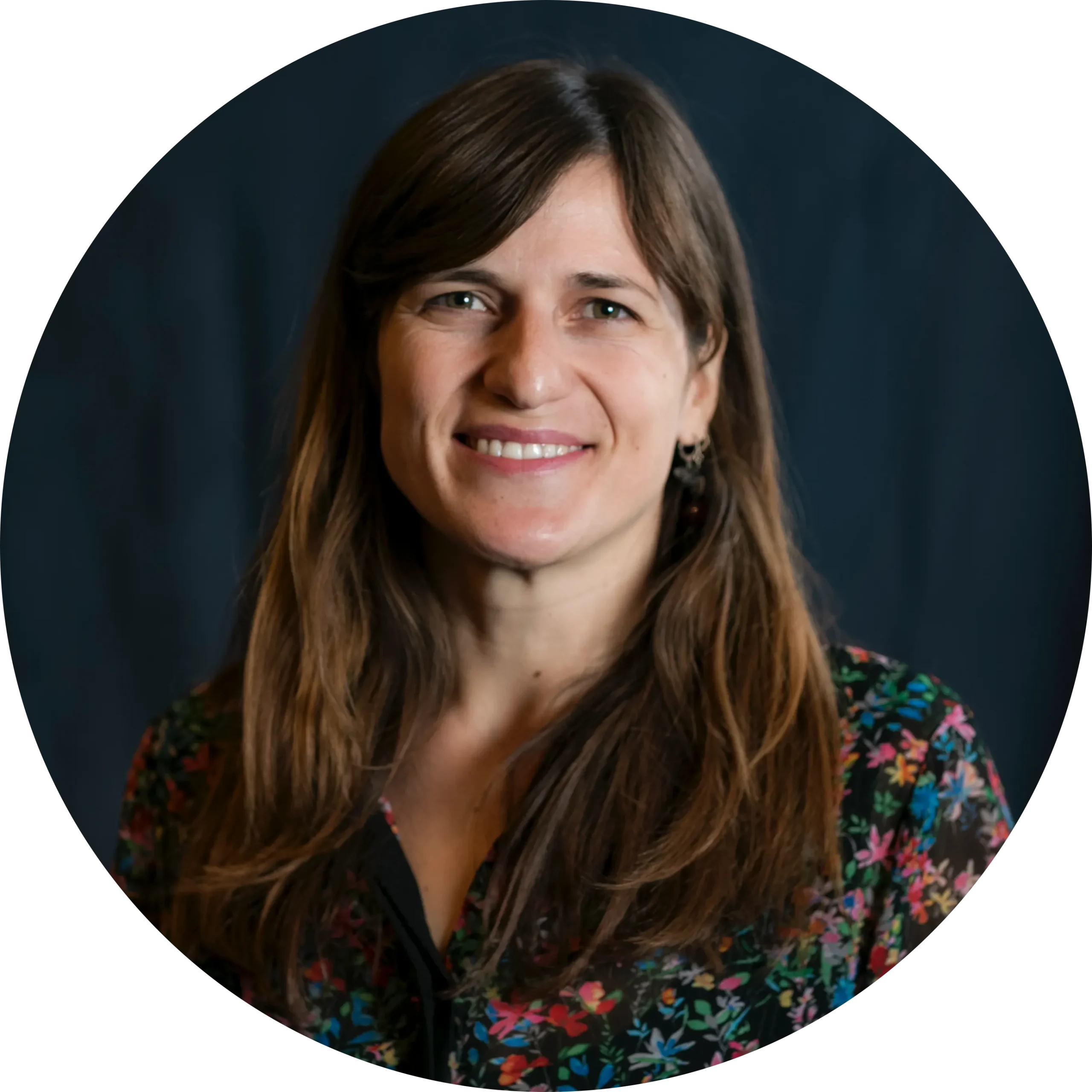
Dr. Elisa Privitera for Europe
Elisa (Lizzy) Privitera engages with ‘’climate and environmental crises through a critical, intersectional lens, while also grounding that perspective in real-world problems and collaborative efforts to envision just, actionable solutions.’’ Her doctoral work focused on the city of Gela in her native Sicily, a town grappling with the aftermath of a decommissioned petrochemical plant. Lizzy worked with residents to map the effects of pollution, trigger conversations around new possibilities and develop recommendations to reverse unjust trajectories of development. Just like the anti-Mafia activists who have inspired her, Lizzy does not shy away from unveiling and speaking out about unjust power relationships shaping Sicilian landscapes and contexts.
Lizzy started as a post-doctoral fellow at the Canada Excellence Research Chair Network for Equity in Sustainability Transitions on September 1st. Before that she had been a post-doctoral researcher at the Just Transitions in Action Project at the University of Toronto Scarborough, where she co-led the Listening Project, a community-based research initiative that aims to work with community partners to understand and envision equitable transitions. Specifically she is looking to understand how climate policy aimed at achieving net-zero aligns with the daily concerns and aspirations of residents in Scarborough, a diverse working class borough on the edge of Toronto. She strongly believes that courageous scientists not only generate knowledge to support fair socio-technological transitions, but to also repair past harms and to heal wounded relationships.
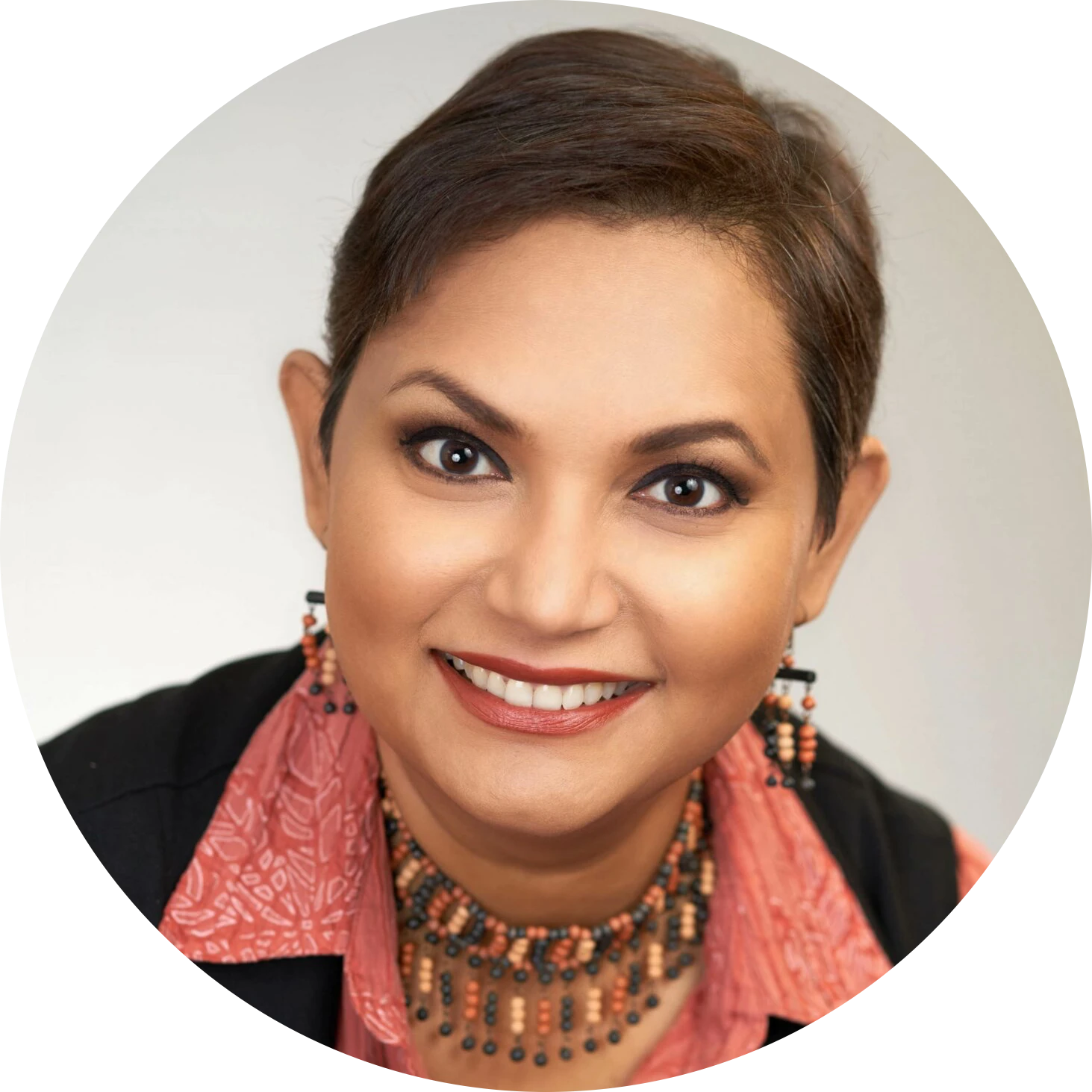
Farhana Sultana, Ph.D. for Asia
Farhana Sultana, geographer from Bangladesh; Professor in the Department of Geography and the Environment at the Maxwell School of Citizenship and Public Affairs at Syracuse University (N.Y., USA): Research Director for Environmental Collaboration and Conflicts in the Program for the Advancement of Research on Conflict and Collaboration (PARCC) at the Maxwell School. Visiting Faculty Fellow at the International Centre for Climate Change and Development (ICCCAD), Independent University Bangladesh in Dhaka. She is an interdisciplinary feminist political ecologist researching the entanglements of climate justice, water governance, international development, and anti-colonial politics. Publications: Confronting Climate Coloniality: Decolonizing Pathways for Climate Justice (2024), Water Politics: Governance, Justice, and the Right to Water (2020).
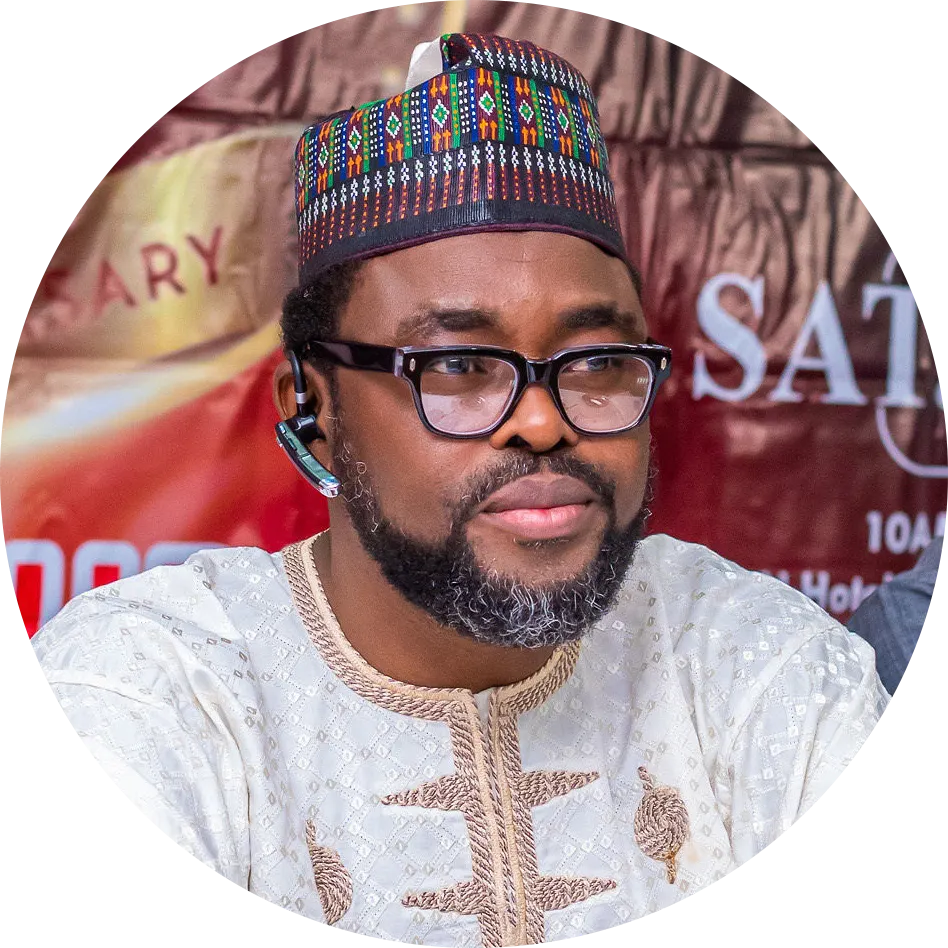
Olanrewaju Suraju for Africa
Olanrewaju Suraju is a prominent Nigerian human rights and environmental activist, known for his courageous work in anti-corruption, climate justice, and civic accountability. As Chairman of HEDA Resource Centre, he leads campaigns that expose environmental degradation, illicit financial flows and governance failures across West Africa. He has played a key role in advocating for transparency in extractive industries and pushing for climate-resilient policies that protect vulnerable communities.
Source: York University, https://www.yorku.ca/cfr/why-environmental-activism-needs-indigenous-feminism/
For Olanrewaju ‘’courage in science means standing up for and defending evidence-based truth when it is unpopular or faces resistance or attack from powerful interests. It requires questioning established norms, advocating for ethical interrogation, and persistence in the pursuit of a cause in the face of vicissitude and personal risk.’’ He is no stranger to exhibiting courage having faced threats and legal intimidation for his outspoken stance against corruption and environmental injustice, notably in high-profile cases involving multinational corporations and government actors. Despite these challenges, he continues to mobilize civil society, engage international institutions, and empower grassroots movements to demand accountability and sustainability.
Selection Jury
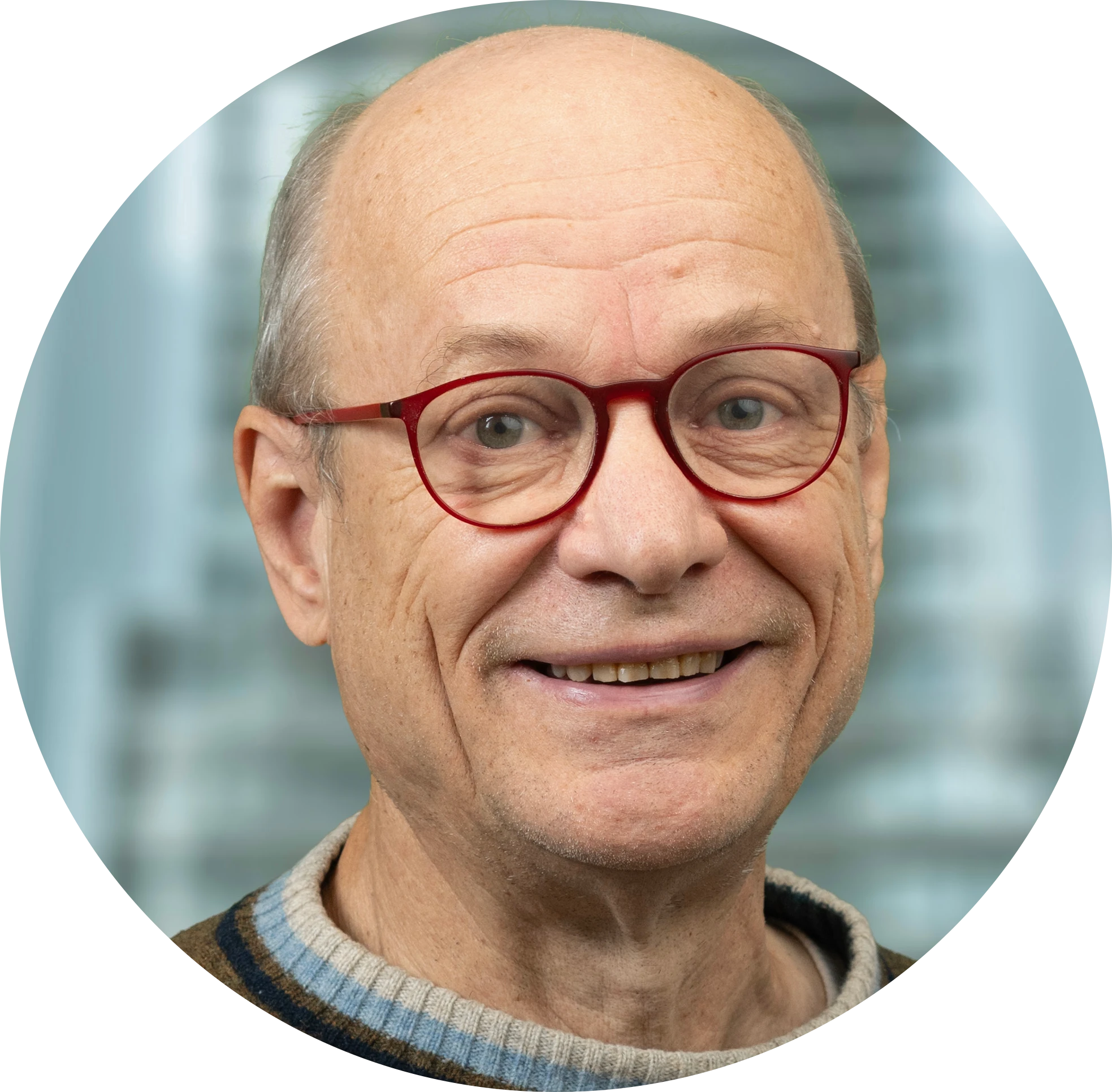
Dr. Ernst Fürlinger, Head of the Scientific Advisory Board
scholar in the field of religious studies; research on Kashmir Shaivism in North India (2001-2006); member of the Platform for Sustainable Development (SDGs) at the University for Continuing Education Krems. Since 2019, he has been leading the seminar series “Climate Justice. Ethical Reflection and Transformative Action“, since 2022 the seminar series ”Academy of Transformation. Aspects of Social-Ecological Change“ and the project ”Austrian Transformation Forum. Civil Society Cooperation for Social-Ecological Change.” Head of Scientific Advisory Board.
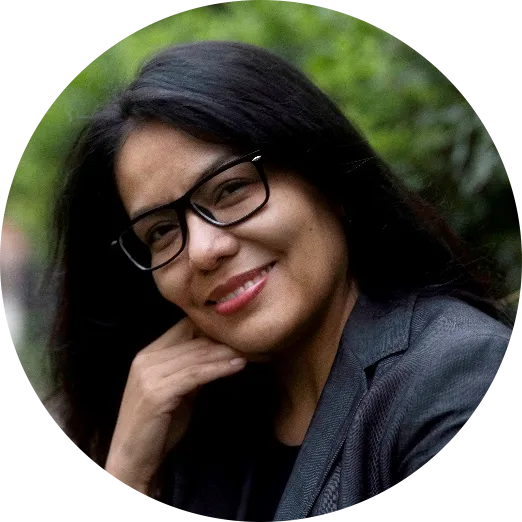
Lorena E. Olarte, MA
Lecturer in international politics, editorial board member at the Journal für Entwicklungspolitik, and member of the Latin America Research Network at the Institute of Political Science, University of Vienna. Her research focuses on political ecology, Communication – Journalism at UNAM and earned a Master’s degree in Political Science and Sustainable Development from Sciences Po Paris. She is currently pursuing a PhD in Political Science at the University of Vienna. Her academic work has been supported by UNAM, Conahcyt, the MacArthur Foundation, the University of Vienna, and Literar Mechana.

Martino San Martin
Martino San Martin: born in Peru; studies political science at the University of Vienna; he is active in the Austrian National Union of Students.
Dr. Michael Staudinger
climate researcher and meteorologist. Joined the Central Institute for Meteorology and Geodynamics (ZAMG) in Vienna in 1983 and served as its director 2010 to 2021. 2010-2022 Permanent Representative of Austria with the World Meteorological Organization (WMO). 2018 to 2021 President of the European Association of WMO. Since 2021 Senior Advisor to WMO and the World Bank Group.
Advocates strongly the connection between science, public awareness building and the necessary societal actions due to the climate crisis.
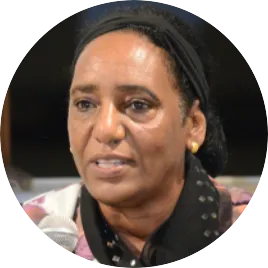
Dr. Mariam A. Wagialla
architect and urban planner from Sudan, resettled in Austria as a refugee in 2012 after more than 20 years with Khartoum’s Urban Development Department. She now leads DANIA for Diversity and Sustainable Development and serves as an external lecturer at the Institute of Spatial Planning, Vienna University of Technology.
Founder and Donor
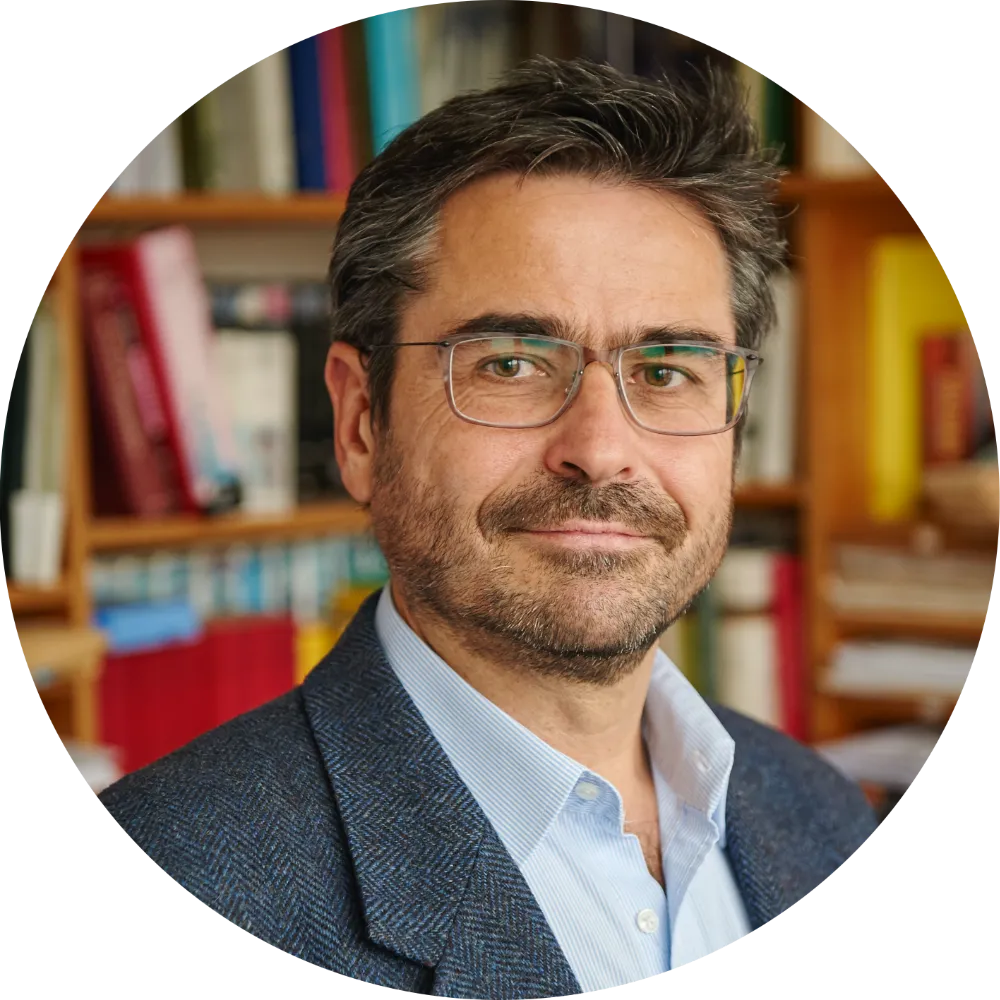
Dr. Norbert Mayr, Founder
Architectural historian, urban researcher, writer, curator (Vienna)
Increased ventures into eco-social challenges and peaceful civil resistance
After decades as an academic (art history), writer and publicist, he initiated the MGG22 residential estate in Vienna-Stadlau, as an entrepreneur with technical expertise. Years before its completion in 2019, it was highlighted as a game-changer in the housing energy supply – according to the IBA Vienna on the topic of New Social Housing. After years of very slow decarbonisation, Vienna is now embracing the renewable energy supply-based MGG22 principles, particularly for new housing and public buildings. These principles of geothermic “passive cooling” can be further developed for many regions of the Global South, which are particularly affected by environmental collapse.
The construction sector in developed countries, the largest polluter of the environment and climate (outpacing traffic), has already released vast amounts of greenhouse gases that drive global warming. In environmental movements such as LobauBleibt!, Mayr is committed against anachronistic motorway and tunnel projects, for a mobility and construction turnaround, in initiatives such as the ALLIANZ FÜR SUBSTANZ – Bestand als ökologisches Ressource against demolition, for preservation of existing buildings, for intelligent reuse.
Donor: Forum ökosoziale Transformationen (Vienna)
Previous Jury Members
Nomination Jury 2025
- Oureratou Quedraogo, MA – Environmental economist, Ouagadougou, Burkina Faso for Africa
- Maria Belén Páez, MA – Ecologist, Ouito, Ecuador for South America
- Dr. Payal Parekh – Climate Justice Activist, Bern (CH) for Asia
- Dr. Silja Klepp – Professor of Human Geography, Kiel, Germany for Europe
- Dr. Angele Alook – Assistant Professor, York University, Toronto, Canada for North America
- Cathryn Eatock, MA – Founder and Co-Chair, Indigenous Peoples’ Organisation-Australia, Sydney, Australia for Australia / Oceania / Pacific Region
Selection Jury 2025
- Dr. Ernst Fürlinger, Head of the Scientific Advisory Board
- Lorena E. Olarte, MA
- Dr. Brototi Roy
- Dr. Michael Staudinger
- Dr. Mariam A. Wagialla