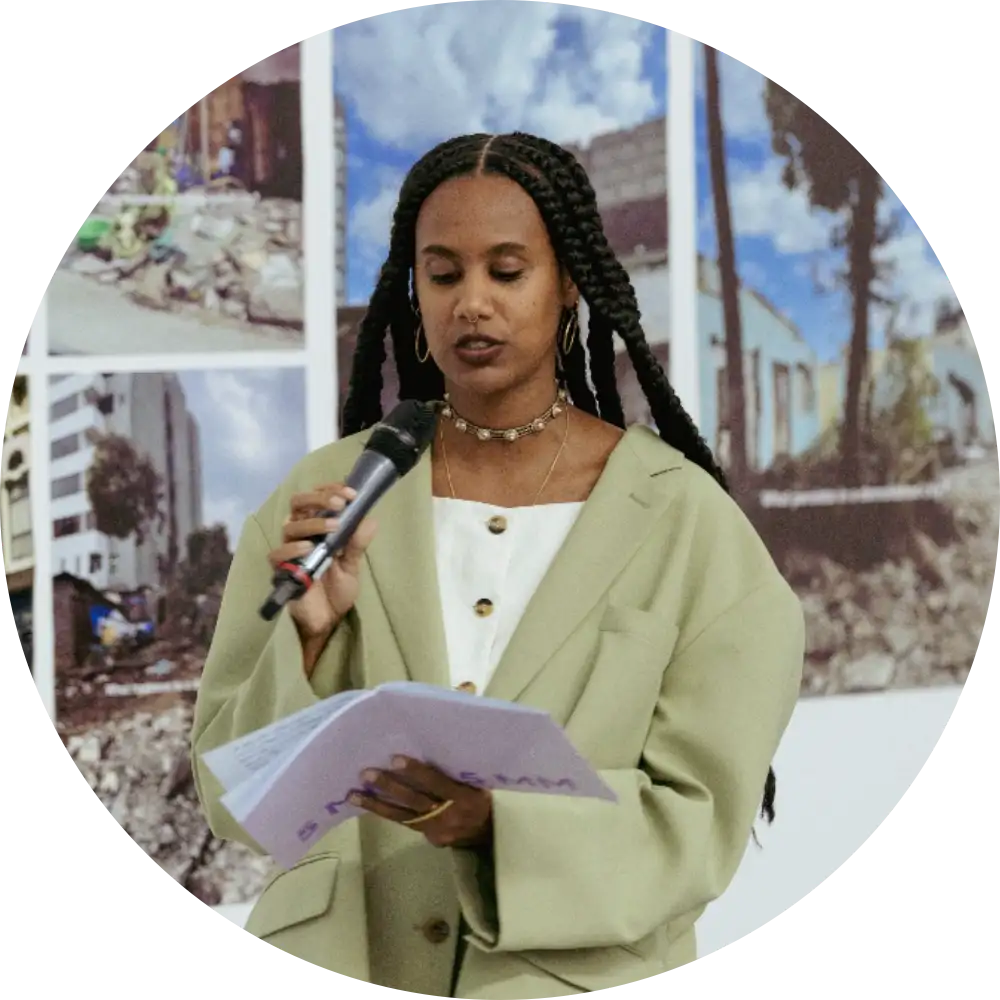
Seble Samuel, MSc
Addis Ababa, Ethiopia, Arica
Seble Samuel is a community organizer and climate justice campaigner based in Addis Ababa (Ethiopia). She studied geography and anthropology at McGill University (Montréal, Canada) and environmental change and management at the University of Oxford (United Kingdom). In 2018 she co-founded the urban sustainability non-profit organisation Lem Ketema (Amharic: “urban bloom” or “flourishing city”) to reclaim public space and traditional ecological practices and transform the right to the city across urban Ethiopia.
Seble is a co-founder of Menged Le Sew (“streets for the people”), Ethiopia’s first open streets and car free movement. Every Sunday the movement opens the streets to people to walk, cycle, skate and play, taking back public space for the majority. What started in seven neighbourhoods across Addis Ababa in 2018, has grown to cities across Ethiopia, influencing city-making and transport policies. Seble’s inspiration behind Menged Le Sew came from pedalling the streets of Quito, Ecuador’s Ciclopaseo as a university exchange student, and Bogotá, Colombia’s pioneering Ciclovía founded in 1974. Seble coordinates Ye Zembil Melse (“return of the zembil” — traditional woven basket), a national campaign for a plastic-free Ethiopia and the revival of traditional alternatives to plastics. The campaign applies multimedia storytelling, digital campaigning, public engagement, alternative business models and policy advocacy to make plastics history and promote the country’s abundant ecological alternatives. Ye Zembil Melse has organised community gatherings, film screenings, art installations, a portrait series, conversations with elders, an illustrated children’s book and a plastic free guide to Addis Ababa to popularise Indigenous ecological practices that predate the plastics crisis. Ethiopia passed legislation banning single-use plastic in June 2025.
Lem Ketema, together with the urban mobility initiative Egre Menged Impact, co-created Cycle Techyalesh (“you (female conjugation) can ride a bicycle”) — a free women’s bicycle school on Addis Ababa’s car free streets, to teach Ethiopian women to ride and repair their bicycles, promoting sustainable mobility and feminist cities. In 2020, Seble was honoured as one of the worldwide “Remarkable Women in Transport” by the Transformative Urban Mobility Initiative (TUMI).
Seble is the Head of Africa Campaigns and Advocacy at the global Fossil Fuel Treaty Initiative, which builds alternatives to the fossil economy, by using international cooperation as a tool to deliver a fair and financed transition from fossil fuels to an equitable and cooperative renewable future.
Further Information
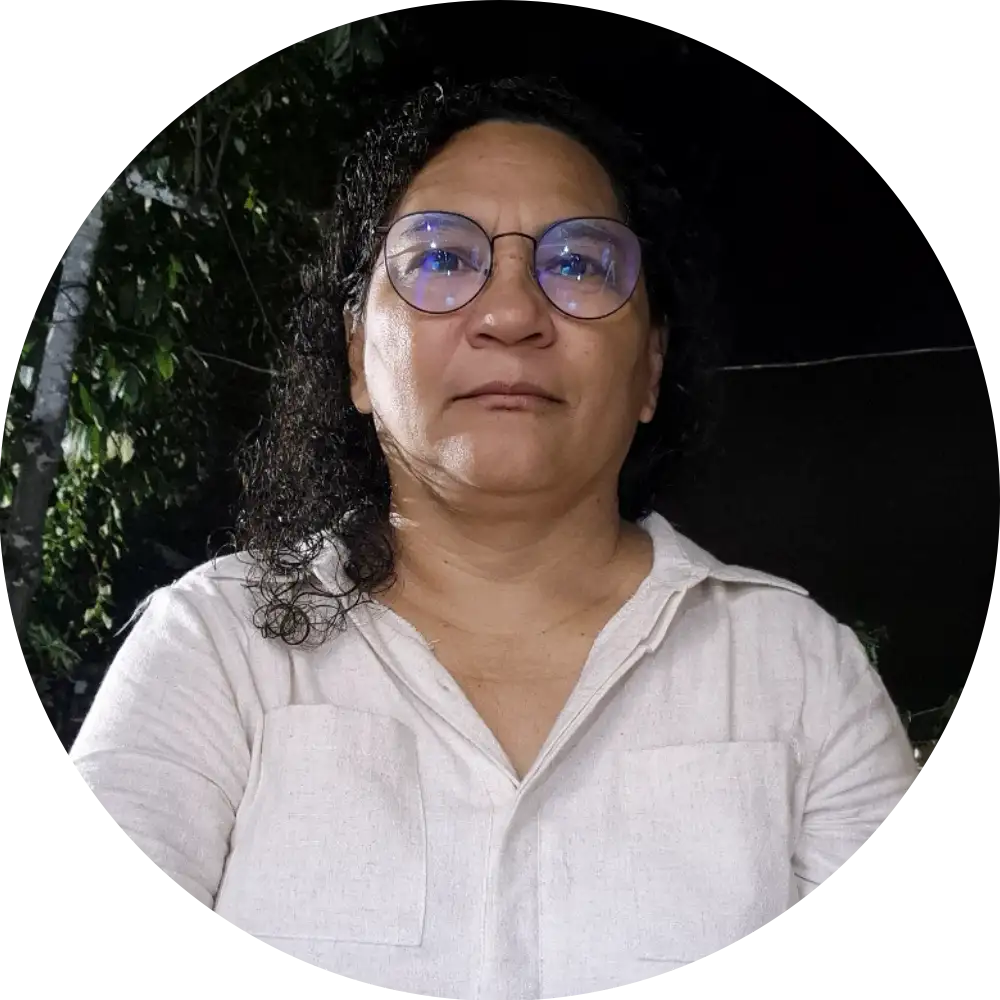
Ana Laide Soares Barbosa, MA
“Movimento Xingu Vivo Para Sempre”, Brazilian Amazon, South America
Ana Laide Soares Barbosa is a fisher woman, descendent of enslaved peoples, a social educator, researcher and a leading intellectual and political voice of the Movimento Xingu Vivo para Sempre (“Xingu Forever Alive Movement”), based in the Volta Grande of the Xingu River, in the state of Pará (Brazilian Amazon). She is a key figure in the struggle for environmental justice and against mega-extractive projects in the Amazon like the hydroelectric Belo Monte dam, one of the largest dams in the world. She views it as an expression of a colonial, extractivist development model and advocates instead for ancestral, territory‑based development grounded in autonomy and self‑determination of local peoples.
Ana Laide Barbosa completed a Bachelor’s degree in Ethno-Development from the Federal University of Pará (UFPA), and a Master’s degree in Sustainability among Traditional Peoples and Territories (MESPT) at the University of Brasília, a program specifically designed to bridge academic knowledge with the lived realities and knowledge of indigenous communities. In her master’s thesis Ancestralidade, encantaria e resistência nas comunidades de Belo Monte de Vitória do Xingu e ribeirinhas da Volta Grande do Xingu (“Ancestry, spirituality, and Resistance in the Belo Monte and Vitória do Xingu Communities and the Riverside Communities of Volta Grande do Xingu”, 2023) she explores the relevance of traditional knowledge systems and cosmologies for both cultural identity and environmental stewardship.
The grassroots movement Movimento Xingu Vivo para Sempre was formed in 2008 as a broad coalition against the construction of the Belo Monte dam on the Xingu river near Altamira, bringing together Indigenous peoples (like Arara, Juruna, Kayapó and others), riverine communities, fishers, smallholders, social movements, and environmental NGOs. The dam was built between 2011 and 2019 and has massive social and ecological consequences: the displacement of communities and forced resettlement, mass fish die‑offs, loss of fishing grounds and traditional food sources, reduced access to water for drinking and washing, disruption of river ecosystems, the erosion of cultural and spiritual relationships with the territory, and others.
As a social educator, Ana Barbosa works with fishers, riverine families, and other affected communities in and around Altamira and the Volta Grande do Xingu, helping them document impacts of the Belo Monte dam, organize protests, and articulate legal demands.
The movement opposes new threats to the regions, most notably the proposed gold mining project of the Canadian company Belo Sun, which would be Brazil’s largest open-pit gold mine. In this context Ana Laide Barbosa participated in the 6th International Rights of Nature Tribunal on 28 February 2025, in a session at the University of Toronto, on the topic “The Impacts of Mining and the Post‑Extractivism Era”, focused on the global harms of Canadian mining companies. As a spokesperson of the movement, she has participated in key forums as the COP30 in Belém (Pará) in November 2025.
Further Information
- Movimento Xingu Vivo Para Sempre
- UNHCR Refworld (June 28, 2012): “State of the World’s Minorities and Indigenous Peoples 2012 – Case study: Belo Monte Dam: Drowning out indigenous protests in the Brazilian Amazon”
- Associated Press, January 29, 2026 (social and ecological impacts of the Belo Monte dam)
- International rivers – delegation to Europe 2022
- International Rights of Nature Tribunal 2025
- Amazon Watch: Belo Sun case (2026)

Akino Miyagi
Okinawa, Japan
Akino Miyagi is an entomologist, butterfly researcher and environmental and human rights activist, based in Higashi village (Okinawa). She is primarily known for her dedicated efforts to document and remove the military waste of the U.S. military bases from the Yanbaru Forest, which is located in the Yanbaru World Natural Heritage Site (northern part of Okinawa’s main island). Her activism includes also protesting against sexual assaults on Japanese women by U.S. servicemen in Okinawa.
During her fieldwork in the forests, in 2019 she discovered large quantities of military waste left behind by U.S. forces: bullets, grenades, blank ammunition, unexploded ordnance, metallic debris, drums, cans, bottles, field meal packages, and metal fragments containing radioactive substances such as cobalt-60. By showing how fragile ecosystems and local communities bear the environmental burden of foreign military infrastructure, she has brought attention to the socio-environmental injustices embedded in militarized landscapes.
After repeatedly calling for the removal of the waste and seeing only limited action, on September 22, 2023 she organized a protest together with Rachel Clark, Pat Elder and Ken’ichi Narikawa (“Veterans for Peace”) and blocked the entrance to the USMC Camp Gonsalves Jungle Warfare Training Center with sacks containing the potentially hazardous waste. For similar protests, Miyagi has faced home raids and confiscations by the police in 2021, interrogations and arrests. In March 2025, she was convicted by the Naha District Court on 16 counts relating to various protest actions over the past four years and was given a three-year suspended sentence. Supported by organizations such as “Friends of the Earth Japan”, her case has raised concerns about the suppression of environmental activism and freedom of expression.
Further Information
- Miyagi, A./ Tashiro, Y./ Urano, K./ Nakato, N. (2019): “Waste of the U.S. Military in the returned land of Yanbaru (yanbaru henkan atochi ni okeru beigun heikibutsu).” Informed-Public Project Okinawa.
- Ryukyu Shimpo – Okinawa, Japanese newspaper, local news » U.S. military still using land after its return; 342 unused bullets, field rations waste, and other garbage found on former NTA land
- Friends of the Earth Asia Pacific (2021)
- Military Poisons/ WILPF US (about action in September 2023)
- Daniel Akihiro Iwama: “War by other means” Military base return and the local politics of realignment on Okinawa Island 1995-present” (dissertation, University of Los Angeles, 2023)
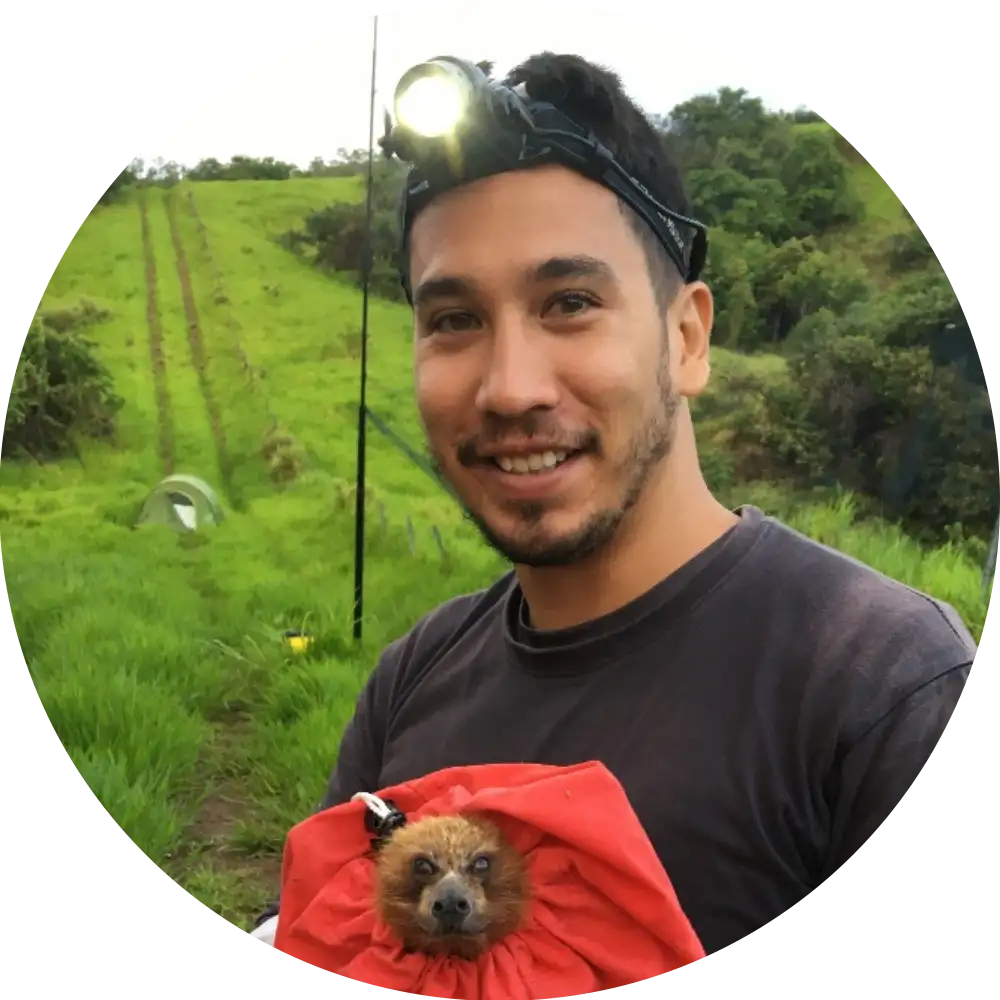
Dr. Malik Oedin
“Gardiens Des Iles”
Koné, New Caledonia, Oceania
Dr. Malik Oedin is a biologist, specialised in biodiversity conservation in island contexts, with a particular interest in flying foxes (Pteropus spp.) – a species that plays a key role for the functioning of Pacific forest ecosystems – and the adaptive management of hunted species. For fifteen years he works at the interface between scientific research, public policy, local knowledge, community based management and civic engagement.
In 2025, he was appointed PhD Ambassador for New Caledonia by the Ministry of Higher Education and Research, with the mission of inspiring local youth and showing them that pursuing a Ph.D. is within their reach.
He is president of the local environmental NGO Gardiens Des îles (GDI, “Guardians of the Islands”), a member and co-founder of the “Melanesia Bio-Cultural Network” (MBCN). GDI is a youth-led organisation focused on biodiversity conservation, ecosystem restoration, and nature-based solutions, with strong mentorship and leadership programs for local young conservation leaders, strengthening regional capacity in Indigenous-driven conservation and climate action. Its goal is to serve as a Center for Research and Action on Biodiversity, Ecology, and Society for New Caledonia and the Pacific. One of the main programs of GDI is Plages de l’Espoir (“Beaches of Hope”): Its objective is to restore degraded coastal ecosystems while simultaneously strengthening the capacity of local communities and young people to respond to biodiversity loss and climate change. Through this project, GDI will lay the groundwork for a future center for Nature-Based Solutions and Local Knowledge for New Caledonia and the Pacific.
As an important part of his work, he conducts Talanoa dialogues with indigenous Kanak communities, including traditional chiefs, to negotiate co-management of the environment with the support of the local communities.
In December 2024 he co-founded “Change Makers New Caledonia” and leads its Young Leaders initiative, which provides young people with skills in project management, english, climate science and public speaking.
In addition to his volunteer work for these organizations and in research, he also serves as head of the Western Forest District, where he leads projects focused on conservation, ecological restoration, hunting and fire management, and collaborative natural resource management, working closely with local authorities, traditional leaders, technical services, scientists, and local stakeholders.
Further Information
Lifetime Achievement Awards
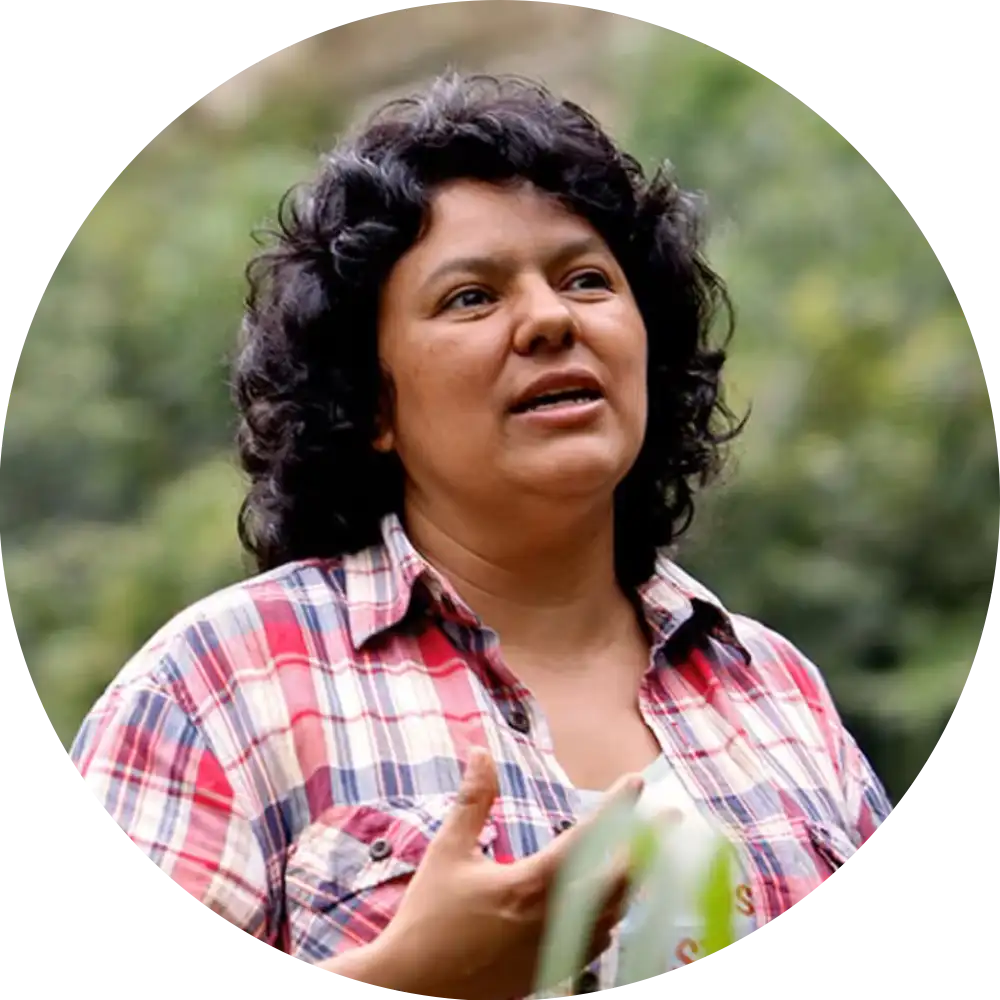
Berta Cáceres (1971 – 2016)
“COPINH”
Honduras, South America
Berta Cáceres was an environmental activist and Lenca woman, a member of the biggest indigenous community in Honduras. In 1993 she co-founded the “Council of Popular and Indigenous Organizations of Honduras” (COPINH) which stands up against illegal logging, mining and dam projects and fights for territorial rights and improvement of living conditions.
Beginning in 2006, Cáceres organized a campaign against the Agua Zarca Dam, a joint project of Honduran company “Desarrollos Energéticos S.A.” (DESA) and Chinese state-owned “Sinohydro”, the world’s largest dam developer, which was planned on the Gualcarque river which is holy for the Lenca, located in the Rio Blanco region of western Honduras. The project was pushed through without consulting the Lenca people, violating of international treaties governing indigenous peoples’ rights. The dam would cut off the supply of water, food and medicine for hundreds of Lenca people. In April 2013, Cáceres organized a road blockade to prevent DESA’s access to the dam site which lasted over a year and withstood attacks from militarized security contractors and the Honduran armed forces. After the killing of Tomas Garcia, a community leader from Rio Blanco, during a peaceful protest at the dam office, in late 2013 “Sinohydro” terminated its contract with DESA.
On April 22, 2015 Berta Cáceres was presented with the Goldman Environmental Prize for exceptional bravery in environmental activism. In her acceptance speech she said:
“Our Mother Earth – militarized, fenced in, poisoned, a place where basic rights are systematically violated – demands that we take action. Let us build societies that are able to coexist in a dignified way… in a way that protects life. Let us come together and remain hopeful as we defend and care for the blood of this earth and of its spirits. I dedicate this award to all the rebels out there, to my mother, to the Lenca people, to Rio Blanco and to the martyrs who gave their lives in the struggle to defend our natural resources.”
After years of death threats, on 2 March 2016, seven men broke into Berta’s home in La Esperanza in the middle of the night and shot her dead. 12 days later death, her colleague and fellow COPINH member Nelson García was killed. The family of Berta Cáceres commissioned an independent investigation after the Honduran government refused to allow an IACHR-led investigation. In October 2017 the report of five international lawyers found evidence that the plot to the murder was months in the making and went up to the top of DESA. In 2018, the seven men – besides hired hitmen two senior executives of DESA and an army officer – were convicted of murdering Cáceres and sentenced to 30 to 50 years. In 2022 Roberto Castillo, executive president of DESA and former military intelligence officer, was found guilty to be the mastermind of the murder and sentenced to 22 years in prison.
The organization „Global Witness“ describes Honduras as the “deadliest country in the world for environmental activism”. Between 2010 and 2016 more than 120 land and environmental activists have been killed in Honduras, since the assassination of Cáceres at least 70 people.
Further Information
- Consejo Cívico de Organizaciones Populares e Indígenas de Honduras (COPINH)
- Nina Lakhani: Who Killed Berta Cáceres? Dams, Death Squads, and an Indigenous Defender’s Battle for the Planet, Verso Books 2020. Auszug: The Guardian, 2. Juni 2020
- Documentary: Katia Lara, Berta Vive/ Berta Lives (Honduras 2016; 30 min.)
- Goldman Prize
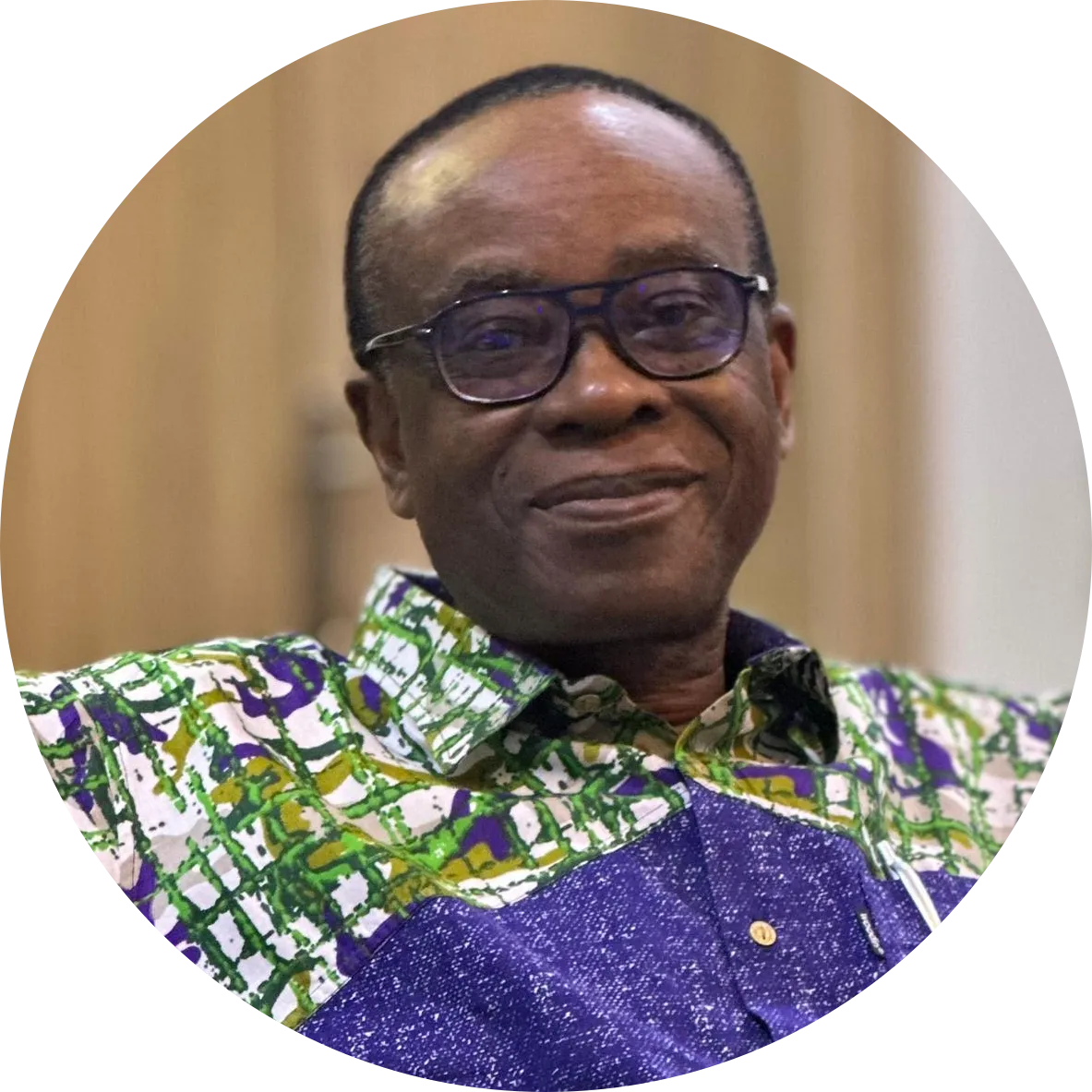
Dr. h.c. Nnimmo Bassey
Nigeria, Africa
Nnimmo Bassey (born 11 June 1958) is a Climate justice activist, architect, writer, pastor, poet, environmentalist. He is director of the ecological think-tank “Health of Mother Earth Foundation” (HOMEF), member steering committee of “Oilwatch International” and on the executive committee of the “Global Alliance for the Rights of Nature”, among others. In 1995 he co-founded “Oilwatch Africa”, which connects movements resisting oil extractivism in Africa. He was chair of “Friends of the Earth International” (2008-2012) and Executive Director of Nigeria’s Environmental Rights Action (1993-2013). Since 1993 he is a key representative of the international climate justice movement. He was a co-recipient of the 2010 Right Livelihood Award also known as the “Alternative Noble Prize”, „for revealing the full ecological and human horrors of oil production and for his inspired work to strengthen the environmental movement in Nigeria and globally“. Bassey now serves on the Board of the Foundation. In 2012 he received the “Rafto Human Rights Award”. In 2014 he received Nigeria’s national honour as Member of the Federal Republic (MFR) in recognition of his environmental activism. Bassey is a Fellow of the Nigerian Institute of Architects, as well as of the Association of Nigerian Authors, and has authored books on the environment, architecture and poetry. He received an honorary doctorate from the University of York, United Kingdom in July 2019. In 2023 he was awarded an honorary doctorate by York University, Canada and the Wallenberg Medal from the University of Michigan in 2024.
His books include: We Thought it Was Oil, But It was Blood –Poetry (Kraft Books, 2002), I will Not Dance to Your Beat – Poetry (Kraft Books, 2011), To Cook a Continent –Destructive Extraction and the Climate Crisis in Africa (Pambazuka Press, 2012), Oil Politics – Echoes of Ecological War (Daraja Press, 2016) and I See the Invisible — Poetry (DarajaPress, 2023; Kraft Books, 2024).
Further Information